The changing roles of media content consumers in the advent of social media, digital spaces and AI
Citizens have shifted from passive recipients to active creators and curators of information, driven by social media, ubiquitous digital devices, AI tools, and a demand for transparency.

The changing roles of media content consumers
Maseru — The conventional linear communication model placed citizens in the role of passive receivers, waiting for radio, television, or newspapers to deliver content. That model no longer holds. Today, there is no fixed, passive receiver and no single active communicator. Citizens create, process, package, and distribute information. They occupy multiple roles in the information ecosystem.
Users consume information from diverse sources and act on it immediately — deciding to keep, resend, or ignore. This shift has been triggered by several factors, including the influx of information from emails, social platforms (Facebook, Instagram, LinkedIn, blogs), and conventional outlets; the widespread availability of digital technologies and smartphones; and a rising demand for immediate access to information, transparency, and accountability.
Drivers of the shift
Information influx: Citizens now access information from a variety of sources: social media, blogs, and traditional media. The volume challenges old gatekeeping models.
Digital ubiquity: Affordable mobile devices grant instant access and enable processing, packaging, and dissemination by anyone, anywhere.
Transparency demand: Boundless demand for information, accountability, and participation pushes back traditional barriers — geography, rigid channels, and stringent rules.
Trust erosion: Growing skepticism toward conventional media and institutions, especially among youth, drives audiences to alternative digital channels and sources.
Global exposure: Travel and connectedness expand horizons and reshape expectations, skills, and knowledge. Exposure empowers citizens to chart their own destiny.
New power dynamics and culture
With smartphones, citizens take high-quality photos quickly, contributing visual narratives to the information ecosystem. Norms and values are shifting rapidly. Culture — shared and communal — reflects changing attitudes, beliefs, and behaviors, including how individuals make decisions about the information they consume.
Access to gadgets has transformed power over information access. Parents once decided when children were mature enough for devices; now, the ubiquity of smartphones compels earlier adoption, altering decision-making power structures.
Share this article
Related Articles
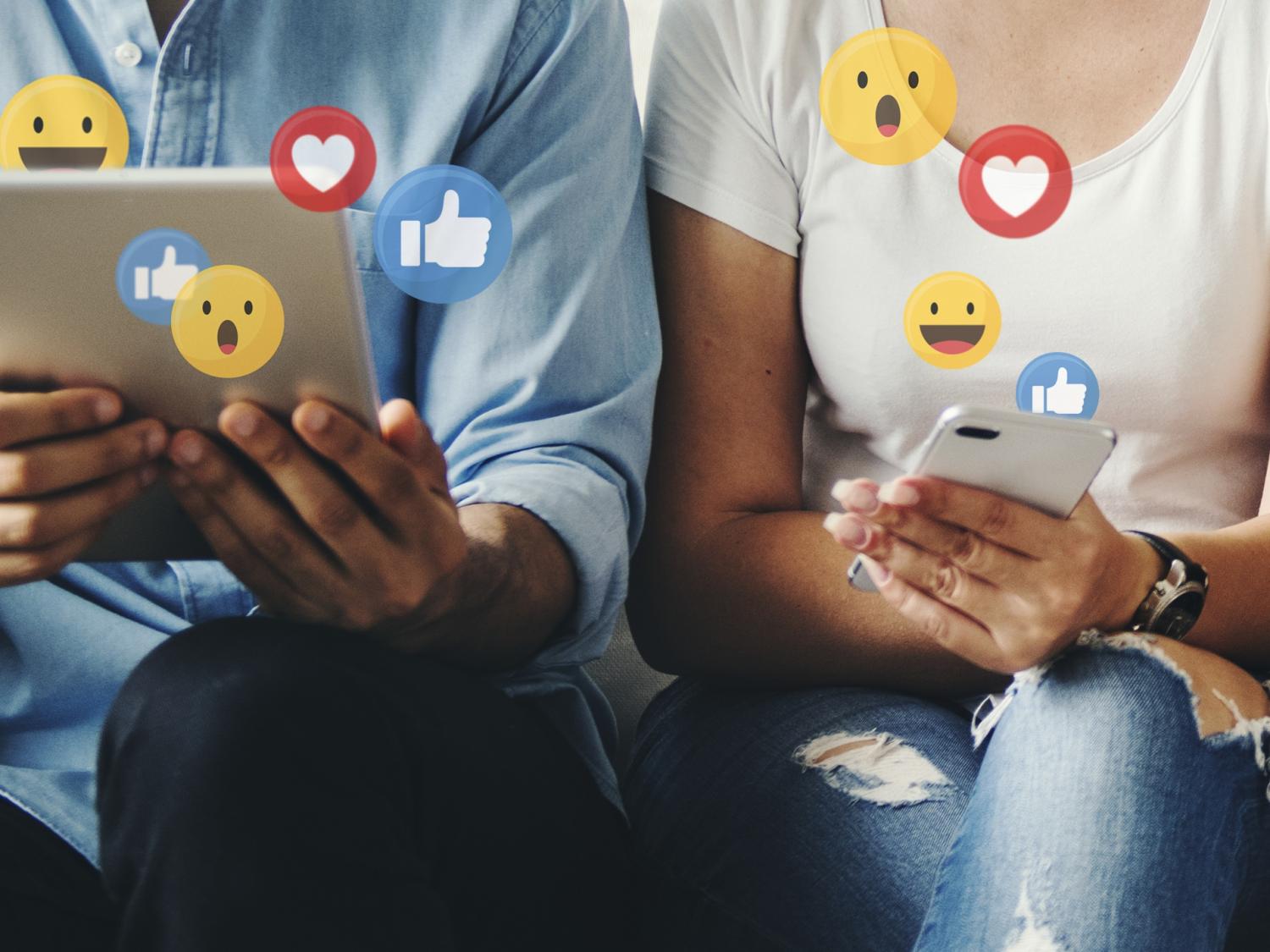
The danger of social media to society – creation and promotion of 'eco chambers'
Echo chambers, often amplified by social platforms, shape and dominate discourse, undermining equal participation, freedom of expression, and balanced debate.
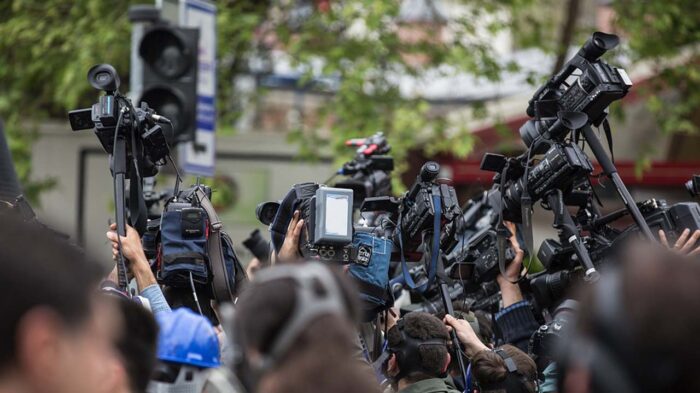
Role of media in promoting global, national governance
Governance today faces myriad challenges disrupting value chains, fragmenting markets, and reshaping the global order. In this climate, the media's role in promoting transparency and effective governance becomes pivotal.
The danger of social media to society – creation and promotion of 'eco chambers'
Echo chambers, often amplified by social platforms, shape and dominate discourse, undermining equal participation, freedom of expression, and balanced debate.
Role of media in promoting global, national governance
Governance today faces myriad challenges disrupting value chains, fragmenting markets, and reshaping the global order. In this climate, the media's role in promoting transparency and effective governance becomes pivotal.